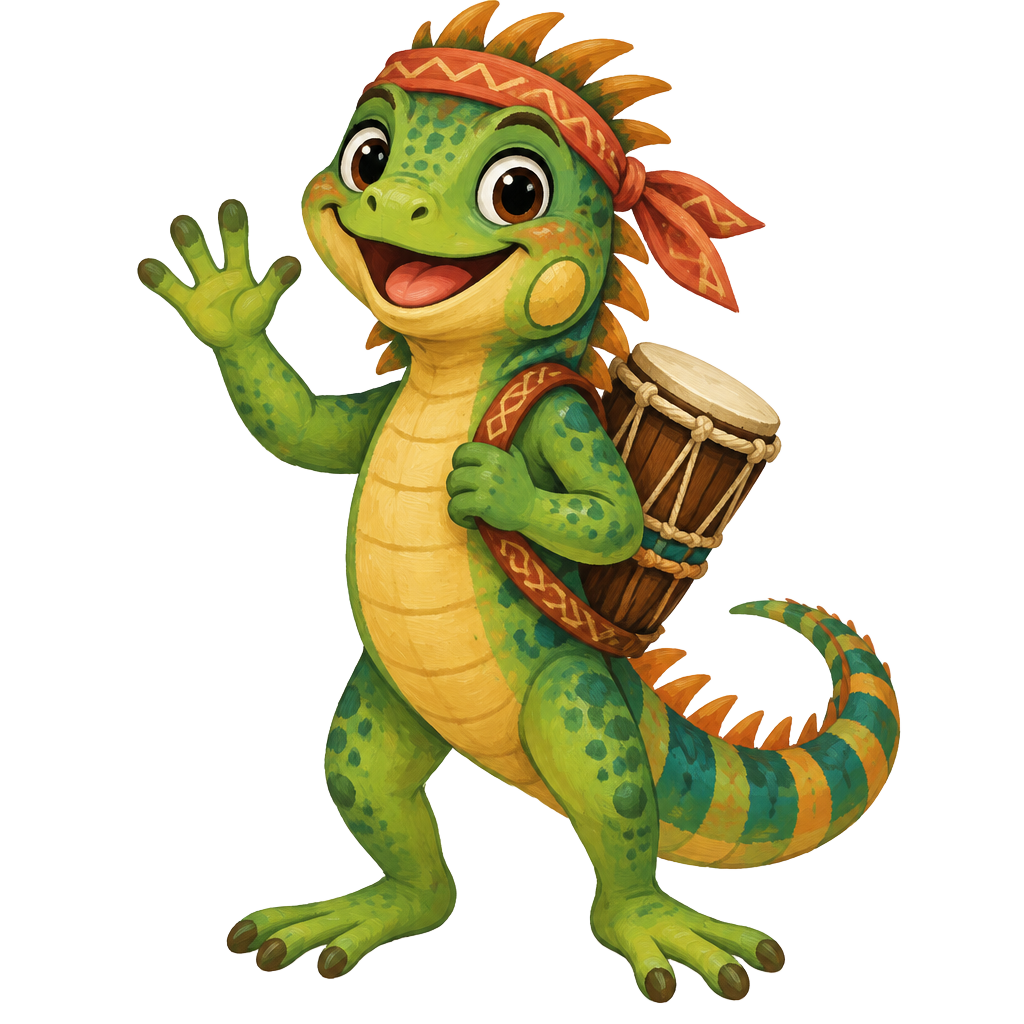
Curaçao
Tula's Promise
The teacher who led a march for freedom
On the dry, sun-bright island of Curaçao, in the year 1795, an enslaved man named Tula put down his tools. He was working on a plantation called Knip, on the west side of the island. That morning, he had heard news carried in whispers from ship to ship, from harbor to harbor: far across the sea, in a place called France, and on another island called Haiti, ordinary people had risen up and won their freedom. Tula thought about his mother, his neighbors, the children born into chains, and he decided that his people deserved the same.
Tula was not a soldier. He was a thinker. He was calm, and he was wise, and when he spoke, people listened, because he never wasted a word. He gathered other enslaved men and women and told them plainly: "We are not animals. We are not property. We are people. And people have the right to be free."
On the seventeenth of August, Tula and about fifty others walked off the plantation. As they went from farm to farm, more and more people joined them, until there were hundreds — men, women, and children — marching together across the hills of Curaçao. They did not burn houses. They did not attack families. They asked, again and again, in strong and steady voices, to be treated as human beings.
For over a month, Tula led that great march. He spoke of God, and of dignity, and of the simple truth that no person was born to be owned by another. Priests came out to hear him. Officials came out to argue with him. And still Tula spoke, patiently, the same message: freedom is not a gift. It is what every human being is born with, and no one has the right to take it away.
In the end, the Dutch colonial soldiers were sent to stop the uprising. Tula was captured, and he was punished terribly, in a public square, so that everyone on the island would be afraid. But fear is a poor teacher. What the people remembered was not the punishment — what they remembered was the march. They remembered a man walking peacefully, refusing to be silent, refusing to be small.
Slavery did not end that day in Curaçao. It would take another sixty-eight years before the law finally caught up with what Tula had already known in his heart. But his words traveled farther than his feet ever could. They traveled from island to island, from mouth to ear, across the whole Caribbean.
Today, August 17 is Tula Day in Curaçao. Children lay flowers at his monument. Schools teach his name. And people repeat his promise, in Papiamentu and in Dutch and in English, so that no one forgets: we are not property. We are people.
Words to know
Uprising
When people stand together to demand fair treatment.
Curaçao
A Dutch Caribbean island south of Sint Maarten.
Dignity
The right of every person to be treated with respect.
Papiamentu
The Creole language of Curaçao, Aruba, and Bonaire.
Keep reading
One Tété Lohkay
Sint Maarten · 8 min
Anansi and the Sea
West Africa → Caribbean · 7 min
Grandmother's Song
Caribbean · 6 min
The Salt Pickers of Great Bay
Sint Maarten · 6 min
Drums in the Hills
Caribbean · 6 min
Queen Nanny of the Maroons
Jamaica · 7 min
The Silk Cotton Tree
Caribbean · 6 min
The Cassava Lesson
Caribbean (Taíno & Kalinago) · 6 min
The Lantern Keepers
Sint Maarten · 5 min
The Freedom Bell
Sint Maarten & the Dutch Caribbean · 6 min
Compère Lapin and the Well
French Caribbean · 6 min
The Island of Two Flags
Sint Maarten / Saint-Martin · 6 min